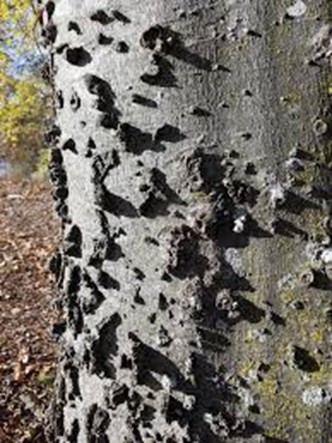
This is a truly Texas tough tree, drought resistant and grows in almost all soil types. It is found all over park, but more common in dryer areas. This tree has a distinctive bark with wart like protrusions.
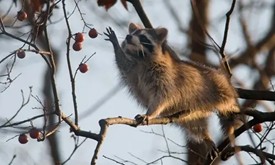
Hackberry fruits have a thin, very sweet purple skin surrounding a crunchy shell with a tiny nut inside. All hackberries are edible and highly nutritious. Berries liked by animals, critical winter food supply for deer, raccoon, and many species of birds. The berries can be made into a jam.
Comanche Indians would beat the fruits of sugarberry to a pulp. The pulp was then mixed with animal fat, rolled into balls, and roasted in the fire for food. Navajo Indians boiled the leaves and branches to make dark brown and red dye for wool.
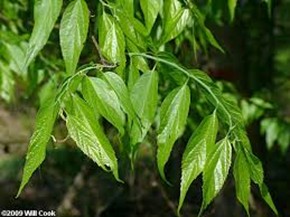
The scientific name is Celtis laevigata. The park also has Common Hackberry (Celtis occidentalis. Regular hackberries are not as sweet and the leaves have toothed edges, whereas leaves of the Sugarberry are smooth edged.
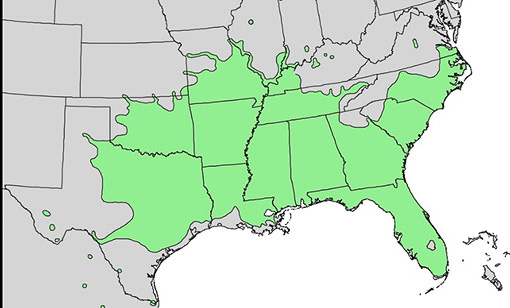
Sugar Hackberry
Range
map